

Build an independent quality certification system, C9 drives the upgrading of standardized applications in the printing industry
The "14th Five-Year Development Plan for the Printing Industry" clearly proposes to "improve the printing quality standards system and promote high-quality transformation of the industry," which points the way for China's printing industry, with a total output value of 1.43 trillion yuan and a scale that consistently ranks first in the world, to leap from "large" to "strong." However, in sharp contrast to its massive industry size, the industry has long faced the dilemma of lacking a key quality evaluation system. The standardization level of printing quality depends on foreign certification, which not only results in high certification costs for enterprises but also cedes core decision-making power and competitive initiative of the industry chain to others.
It is against this background that the domestically independently developed C9 Printing and Packaging Quality Control and Evaluation System was born. Since the implementation of C9, relying on continuous accumulation and in-depth analysis of more than 4,000 actual production samples, nearly 800,000 measured data points covering key dimensions such as color, density, and halftone have been consolidated. Based on this solid data foundation, the core value of the C9 evaluation system is clearly demonstrated: it promotes the printing industry to completely move away from the long-standing "experience-driven" mode dependent on veteran workers' expertise and systematically transition to a new "data-driven" stage where decision-making is based on precise, objective, and traceable data.
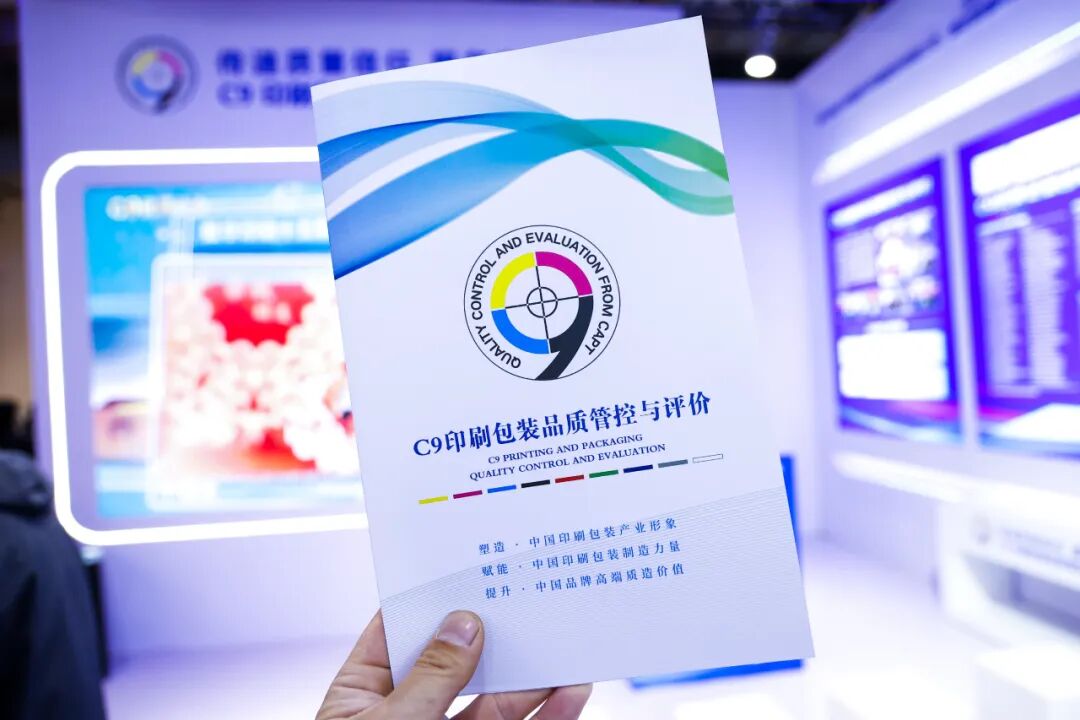
The vitality of a system is rooted in its ability to solve real industry problems. The value of the C9 system has been rapidly and strongly validated in industry practice, further triggering a 'mutual pursuit' across the entire industrial chain from upstream to downstream.
By the end of 2025, there are already 350 C9-qualified enterprises, covering more than 90% of the provinces nationwide, with above-scale enterprises accounting for as much as 45%. This data not only confirms the widespread implementation of the C9 evaluation system in the industry, but also signifies the proactive acceptance and enthusiastic response of the industry's mainstream forces to a unified quality standard. Many enterprises have deeply integrated C9 into their entire operational process: selecting inks, rubber blankets, and other consumables based on C9 system data; and when purchasing digital printing equipment, listing C9 standards as core acceptance criteria. The C9 system has evolved from an external certification standard into an internal tool for enterprises to enhance refined management levels.
Dozens of leading publishing organizations have formally incorporated the C9 evaluation into their supplier management systems, using it as a 'hard threshold' for selecting high-quality partners. Especially in areas like thematic publications and textbooks, which demand strict print quality, the C9 system has become the 'technical cornerstone' for ensuring uniform and stable product quality. The trust vote from publishing units has solidly built the most robust market foundation for the credibility of the C9 system.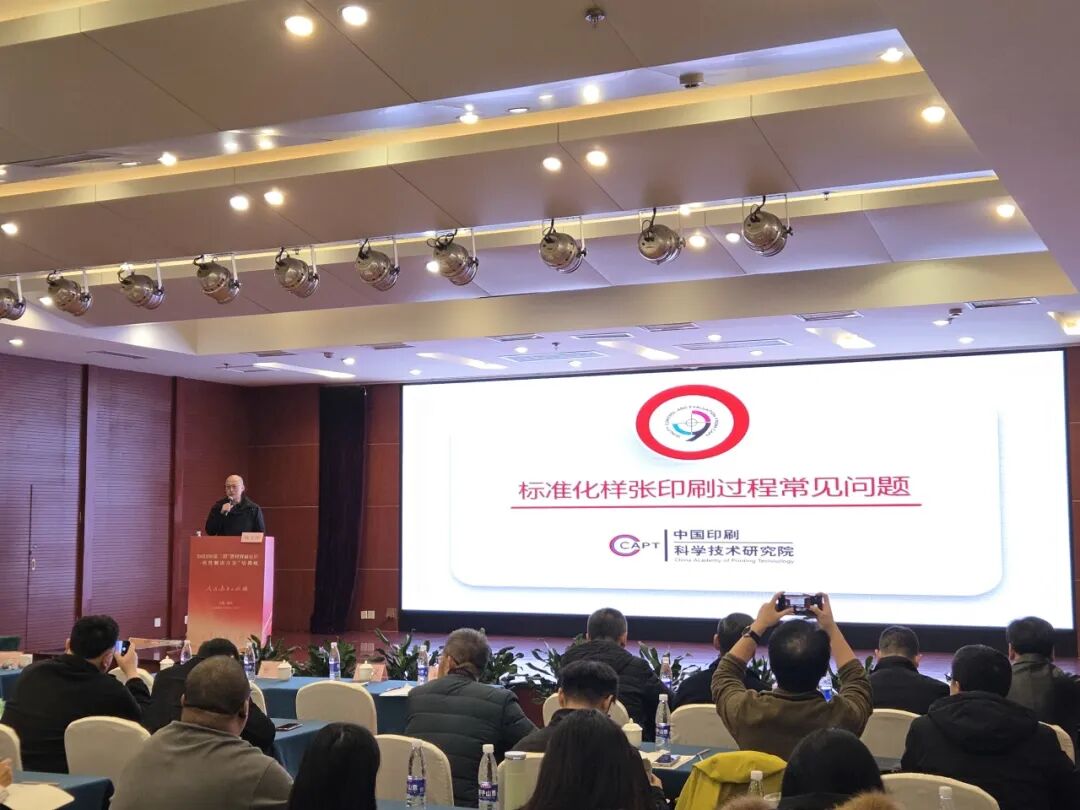
The industry chain 'bi-directional advancement' triggered by the C9 evaluation system has long exceeded the scope of a single technological tool, transforming into industrial infrastructure that connects the upstream and downstream of the industry chain and unifies industry quality standards. Relying on its outstanding enabling effectiveness, the influence and authority of the C9 system continue to rise, achieving multiple milestone recognitions: successfully selected for the key project database of the National Press and Publication Administration, receiving high recognition from the industry authorities; drawing the attention of CPPCC members and being included in relevant proposals during the Third Session of the 14th National Committee of the Chinese People's Political Consultative Conference, entering the horizon of high-level policy recommendations; providing core technical standards for textbooks and themed publications, offering solid support for the improvement of publishing quality.
From solving the industry's development dilemma of 'no standards to follow' to driving the collaborative upgrading of the industry chain, the growth trajectory of the C9 evaluation system is a vivid annotation of China's printing industry advancing its standardization process. It is no longer just a solution to make up for the industry's quality shortcomings; it has deeply integrated into the fabric of industry development, becoming a key 'foundational support' for promoting China's printing industry toward becoming a quality powerhouse.